

- How We Selected These API Management Tools
- What to Look for in an API Management Tool in 2026
- Types of API Management Tools
- The 18 Top API Management Tools for 2026
- 1. Integrate.io
- 2. MuleSoft
- 3. IBM API Connect
- 4. Jitterbit
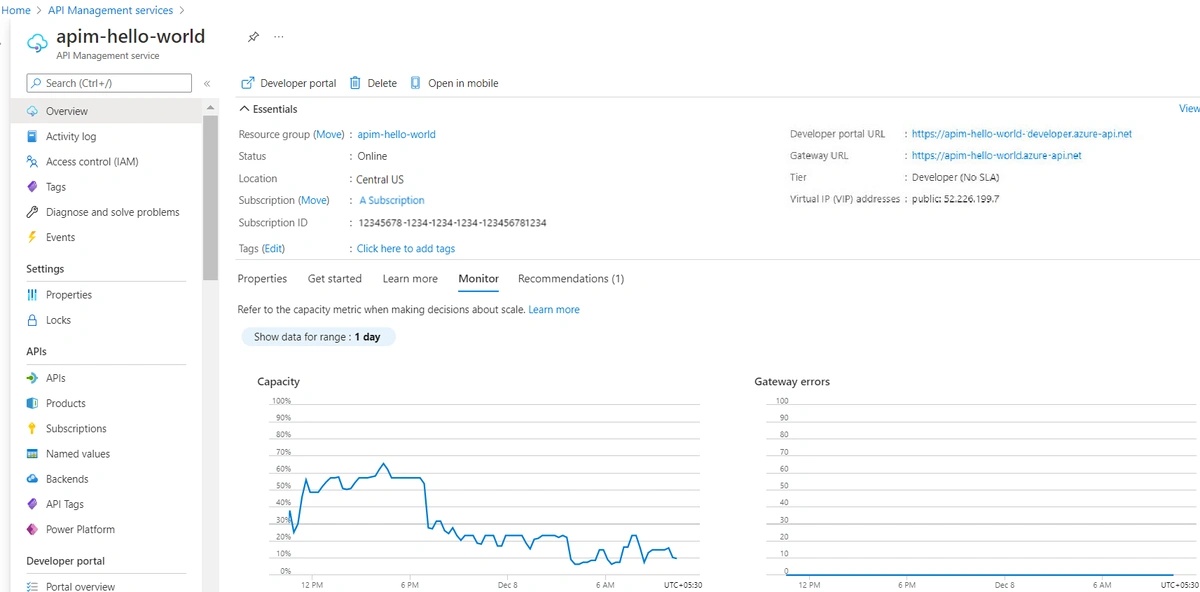
- 5. Microsoft Azure API Management
- 7. SAP Integration Suite
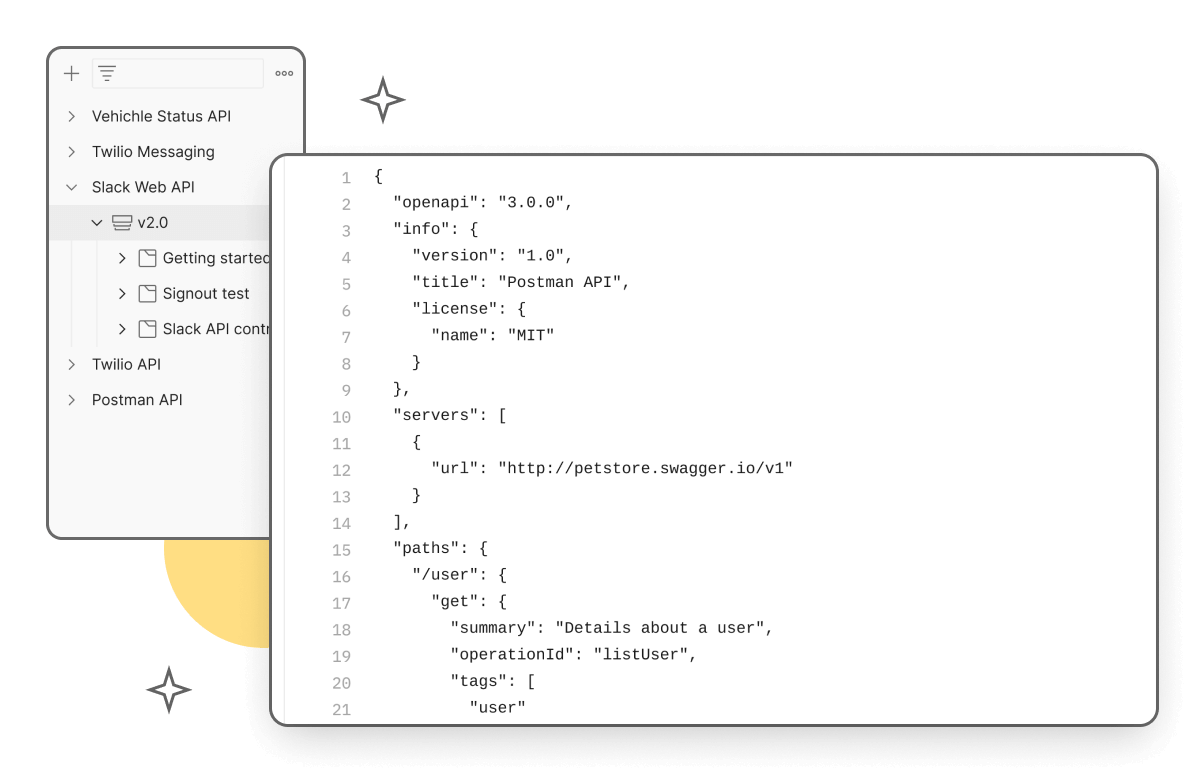
- 8. Postman
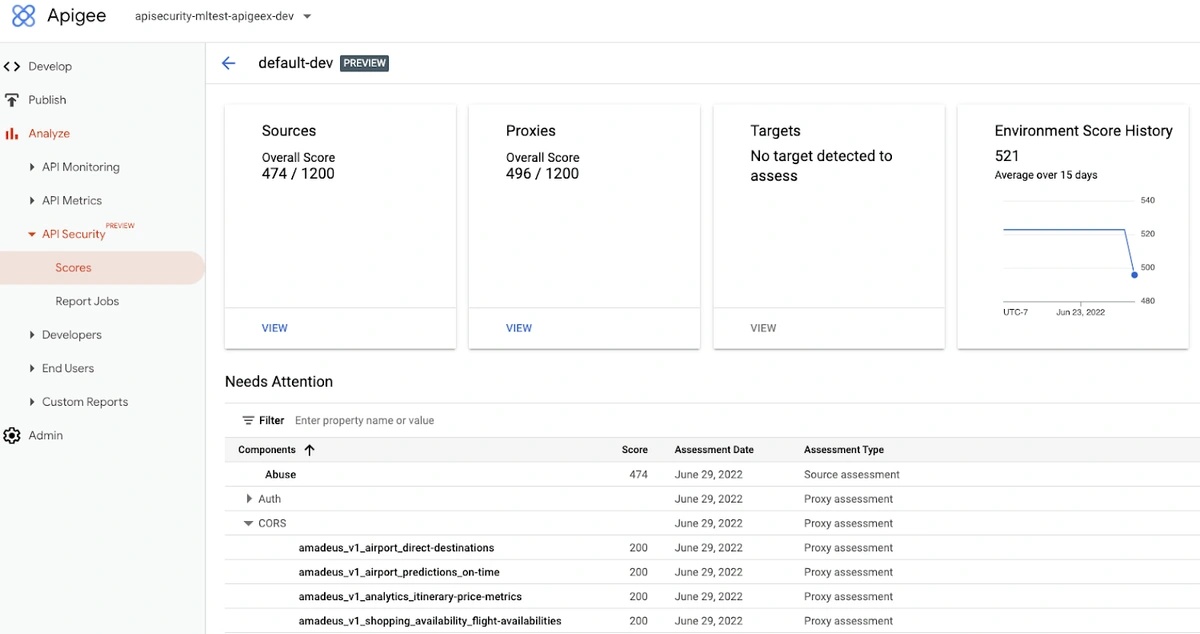
- 9. Apigee
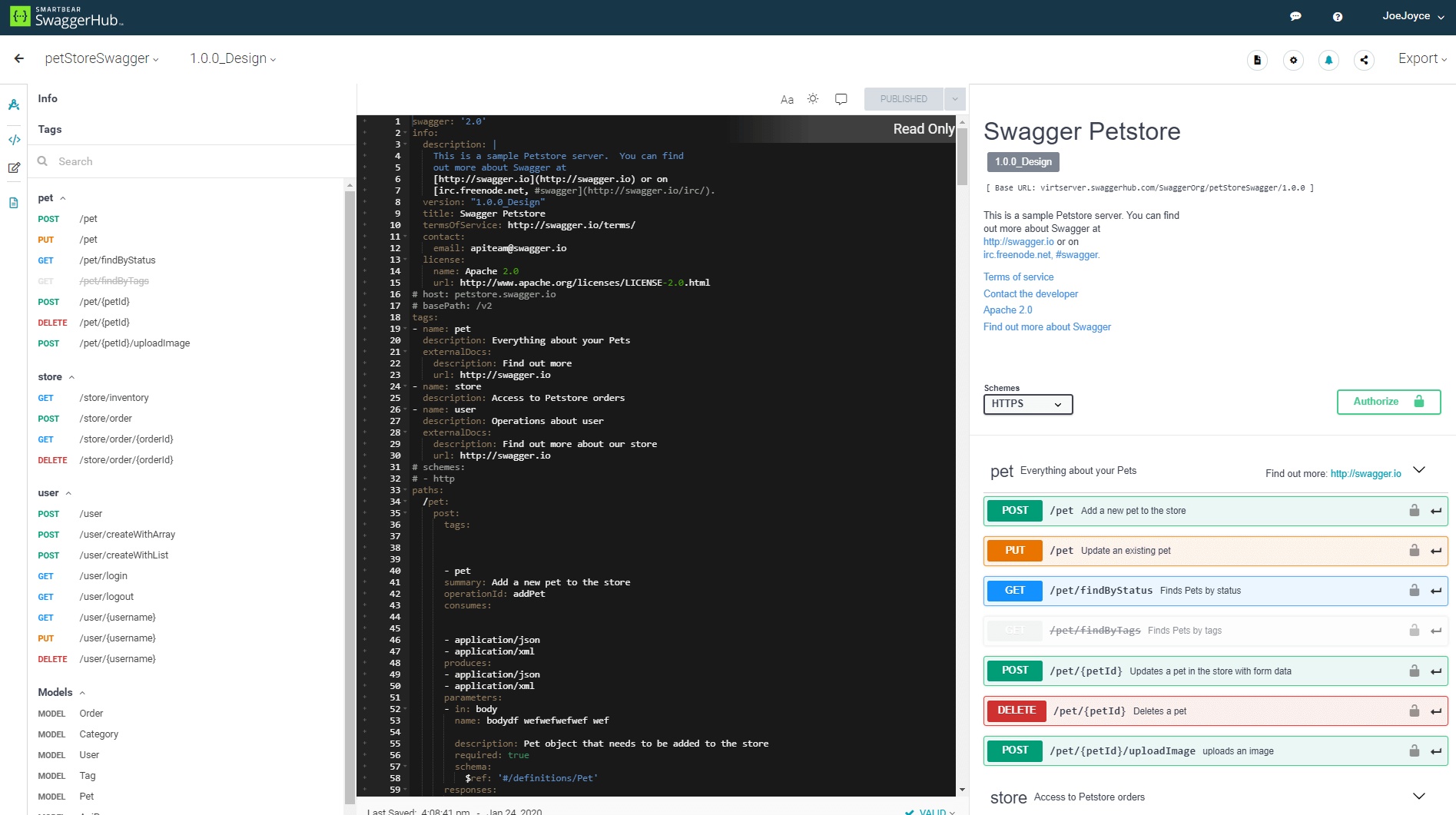
- 10. SwaggerHub
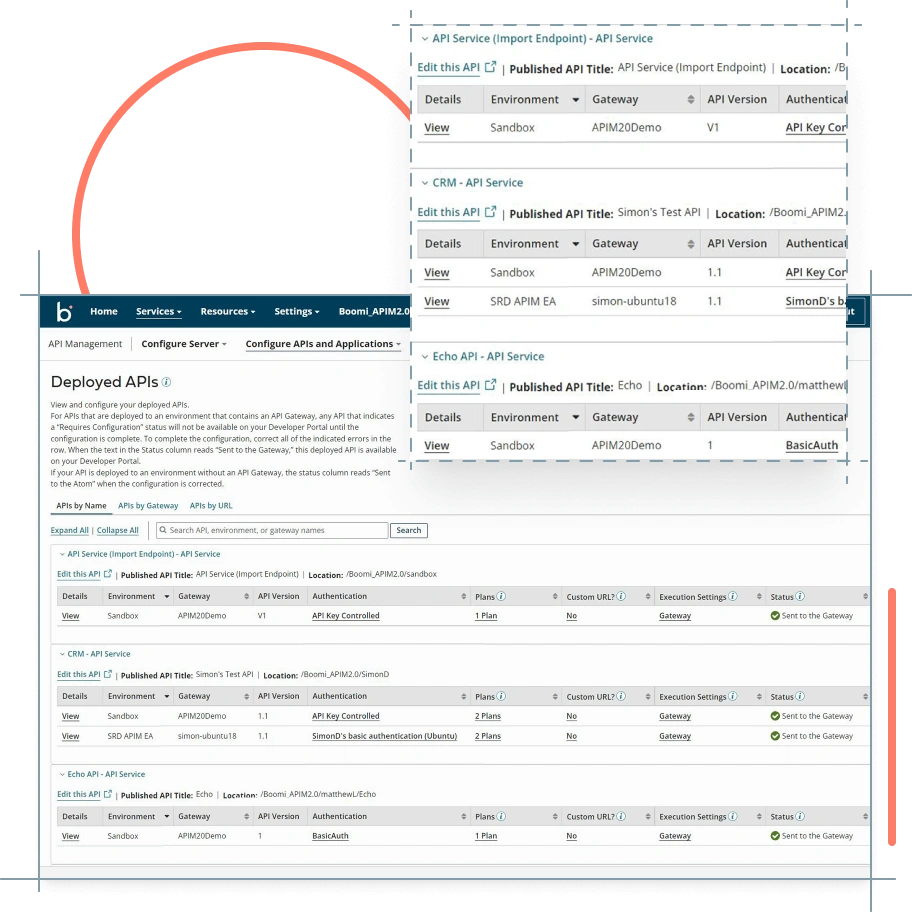
- 11. Dell Boomi
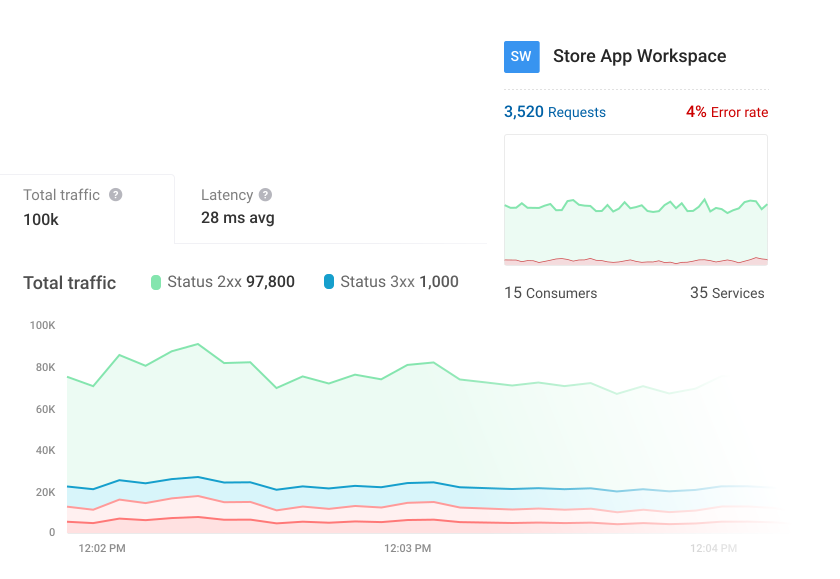
- 12. Kong Konnect
- 13. WSO2
- 14. TIBCO
- 15. Amazon API Gateway
- 16. Tyk
- 17. Gravitee
- 18. Axway Amplify
- API Management Tools Comparison Table
- API Management Tools for AI and Agentic Workflows
- Effectively Manage Your APIs With Integrate.io
- API Management FAQs
TL;DR: API management tools help organizations design, deploy, secure, monitor, and retire APIs. The top tools for 2026 include Integrate.io (best for data pipeline API generation), Amazon API Gateway (best for AWS-native workloads), MuleSoft (best for enterprise integration), Apigee (best for Google Cloud), and Kong Konnect (best for cloud-native microservices). Key evaluation criteria: API gateway, developer portal, policy management, lifecycle governance, and AI/MCP readiness.
API management tools are software platforms that enable organizations to create, publish, secure, monitor, and retire application programming interfaces (APIs) across their technology ecosystem. They typically include an API gateway for runtime enforcement, a developer portal for self-service discovery, policy management for security and rate limiting, and lifecycle governance for versioning and access control. In 2026, leading platforms also include AI gateway capabilities to govern how AI agents and large language models access enterprise APIs.
The best API management tools for 2026 depend on your use case. For data integration and pipeline API generation, Integrate.io delivers automated REST API creation with SOC 2, GDPR, and HIPAA compliance and 150+ prebuilt connectors. For enterprise integration at scale, MuleSoft Anypoint Platform and IBM API Connect offer full lifecycle management. For cloud-native microservices, Kong Konnect and Amazon API Gateway lead on performance and scalability. For AI agent governance, Tyk and Gravitee now include native MCP gateway support. For API design and testing, Postman and SwaggerHub remain the developer standard.
Key Takeaways:
- API management tools simplify creating, publishing, securing, and monitoring APIs at scale.
- In 2026, AI and MCP (Model Context Protocol) readiness has become a differentiating criterion, with tools like Tyk, Gravitee, and Integrate.io supporting AI agent workflows natively.
- The four mandatory features to evaluate: API gateway, developer portal, policy management, and lifecycle governance.
- Amazon API Gateway is the top-rated tool on Gartner Peer Insights (4.5/5, 957 reviews, Customers' Choice 2026) and is absent from most editorial lists.
- Pricing models vary widely: fixed-fee unlimited (Integrate.io), usage-based (Amazon API Gateway, Apigee), and enterprise subscription (MuleSoft, IBM, SAP).
- Tools like MuleSoft, SAP, and IBM carry steep learning curves and high costs; Integrate.io, Postman, and SwaggerHub are significantly easier to adopt.

How We Selected These API Management Tools
We evaluated more than 20 API management platforms against six criteria: feature completeness (gateway, portal, policy management, lifecycle governance), deployment flexibility (cloud, hybrid, on-premise), security and compliance certifications (SOC 2, GDPR, HIPAA), pricing transparency, AI and MCP readiness for 2026 workloads, and user ratings from Gartner Peer Insights. Tools were included if they appeared in the top results on Gartner Peer Insights, held strong community adoption, or addressed a specific buyer segment not covered by other entries on the list. The final 18 represent the broadest useful coverage for data teams, enterprise IT, and cloud-native engineering organizations.
What to Look for in an API Management Tool in 2026
Not all API management platforms are built the same. Gartner defines four mandatory capabilities for any tool in this category. Here is what each means in practice, plus a fifth criterion that has emerged as a differentiator in 2026:
- API gateway: Runtime enforcement of security policies, traffic routing, throttling, and authentication for every API call. Without a gateway, you have no centralized control point.
- Developer portal: A self-service interface where internal teams and external partners can discover, subscribe to, and consume APIs. Reduces friction and accelerates adoption.
- Policy management: Rate limiting, OAuth/JWT authentication, mediation, and usage controls applied consistently across all APIs. This is where compliance gets enforced.
- Lifecycle governance: Versioning, access control, publication workflows, and retirement processes. Prevents API sprawl and keeps your catalog clean.
- AI and MCP readiness (new for 2026): Support for AI agent access, MCP Server governance, and LLM traffic controls. Gartner's 2026 market definition explicitly includes "providing context, tools, and resources to generative and agentic AI programs" as a core use case. If your organization is building AI workflows, this is now a first-class evaluation criterion.
Types of API Management Tools
When it comes to API management, there are several categories of tools available. You may choose one or a combination depending on your business needs:
- API gateways: Manage authentication, authorization, and traffic routing to the appropriate backend services. Examples: Amazon API Gateway, Kong Konnect.
- API design and documentation tools: Help developers design, document, and test APIs before deploying them. Examples: Postman, SwaggerHub.
- API lifecycle management tools: Complete platforms that manage the entire API lifecycle from design to retirement. Examples: MuleSoft, IBM API Connect, Apigee.
- API testing tools: Help developers test APIs for functionality, performance, and security. They simulate user behavior, generate load, and detect bugs.
- Data pipeline API platforms: Generate and expose APIs directly from data sources and pipelines, without writing backend code. Example: Integrate.io.
The 18 Top API Management Tools for 2026

1. Integrate.io
Best for: Data teams that need to generate and expose APIs directly from databases and data pipelines, without writing backend code.
Key Features:
- Automated API generation from any database or data source
- Full API customization and flexible authentication (OAuth, LDAP, Active Directory, SAML)
- Custom scripting support
- Data mesh capabilities
- Role-based access control at the endpoint and record level
- 24/7 dedicated customer support
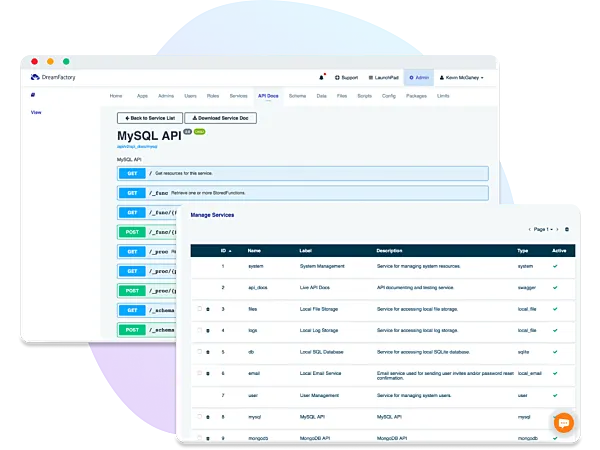
Integrate.io is a low-code data pipeline platform that enables teams to instantly generate, secure, and monitor REST APIs from any database or data source, without writing backend code. Its API generation and management capabilities allow businesses to generate, manage, secure, and monitor APIs to power their data products in less than five minutes.
Key capabilities include automated API generation, complete customization, flexible authentication, simple custom scripting, and advanced data mesh support. The platform is compatible with 150+ data connectors and databases, including SQL Server, MySQL, Snowflake, and BigQuery. It scales from small projects to large enterprise rollouts with no volume limits, unlimited API creation, and unlimited user seats.
Every plan includes a dedicated Solutions Engineer and 24/7 customer support. Start a free trial or schedule a personalized demo to see it in action.
Pros:
- Excellent ease of use and intuitive interface
- Responsive, quality customer support
- Quick implementation; simple data transfers possible within minutes to hours
- Efficient integration workflows and core functionality for ETL/ELT/APIs
- Self-hosted deployment option (Linux, Windows, Mac OS X, Docker, Kubernetes)
Cons:
- Entry-level pricing may not suit very small teams or individual developers
Pricing: Fixed fee, unlimited usage-based pricing model starting at $1,999/month.


2. MuleSoft
Best for: Large enterprises managing complex, multi-system integration with full API lifecycle requirements.
Key Features:
- Pre-built and custom security policies
- Integrated access management
- Service mesh for microservices
- Anypoint Exchange connector library
MuleSoft vs. Integrate.io: full comparison covers the key differences in depth, but at a high level: MuleSoft Anypoint Platform provides comprehensive API management capabilities that help organizations operate and scale their API programs efficiently. The platform offers an API gateway for unlocking and managing services securely, reusable integration templates, and a consistent management experience across cloud, hybrid, and on-premise environments.
Pros:
- Powerful API and integration management capabilities; unified platform for designing, developing, and managing APIs and data flows
- Pre-built connectors, drag-and-drop interface, and centralized management ease integration tasks
- Excellent for complex, enterprise-level connectivity challenges
Cons:
- High cost; expensive licensing
- Steep learning curve; complex setup and usage
- Complexity can make support and troubleshooting difficult
Pricing: Complex, volume-based pricing. The Anypoint Flex Gateway cost depends on the volume of API requests. Contact MuleSoft sales for a quote.

3. IBM API Connect
Best for: Enterprises in regulated industries requiring full lifecycle API management with enterprise-grade security.
Key Features:
- Robust security and governance features
- Self-service developer portal with subscription tools
- Full API lifecycle management
- Integration with IBM DataPower Gateway
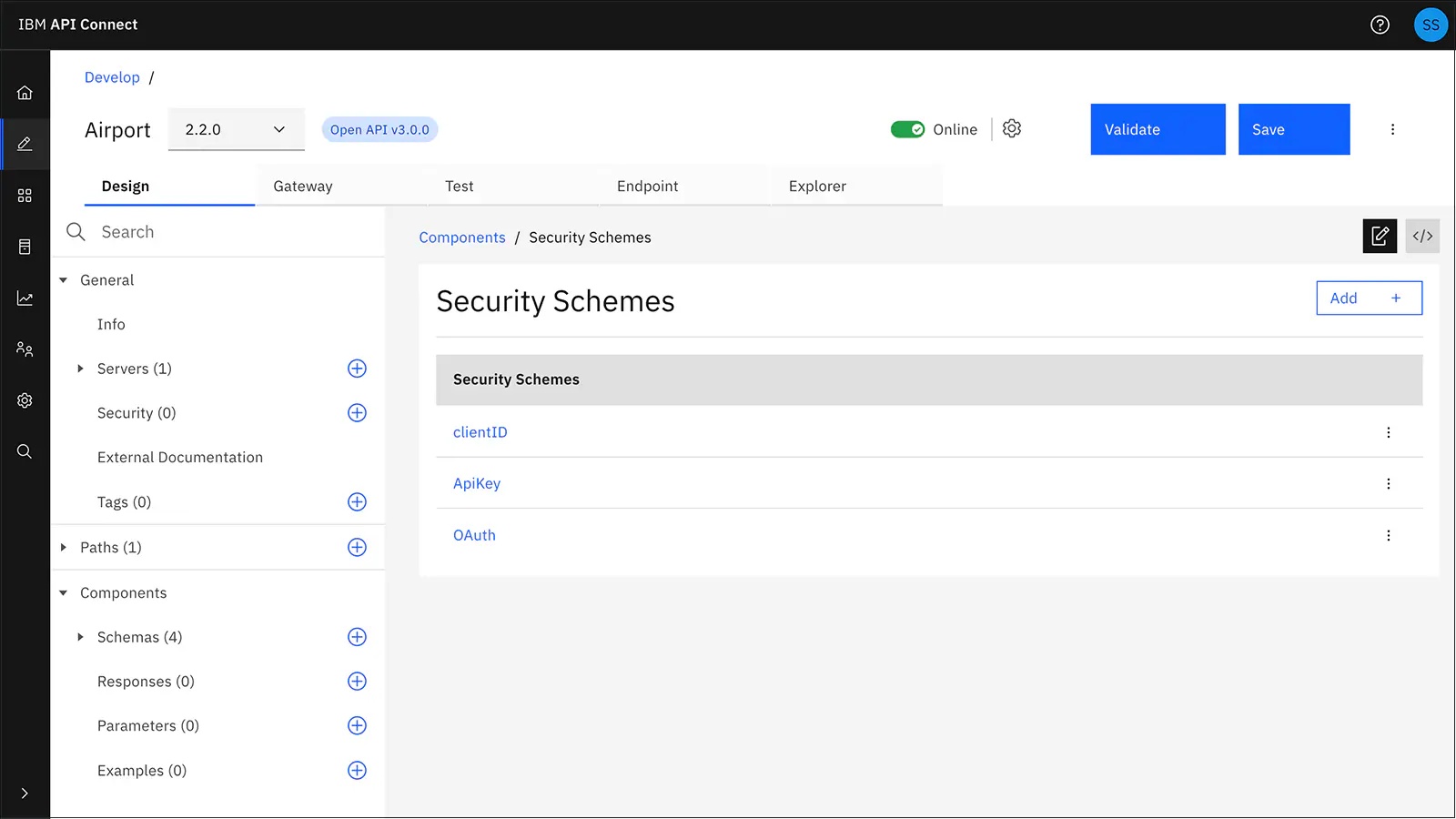
IBM API Connect is a secure and reliable API management solution that helps organizations manage all their APIs from a single platform. It helps businesses package their APIs for specific consumer markets and provides governance and version control. The platform supports community management with self-service portals and subscription tools while protecting endpoints with an enterprise-grade gateway.
Pros:
- High security and user-friendly interface
- Full lifecycle API management capabilities
- Good integration with IBM DataPower Gateway
Cons:
- Relatively high pricing
- Occasional performance issues noted
- Cloud connectivity improvements needed
Pricing: Available as SaaS on AWS starting at $83/month, or as a single-tenant service on IBM Cloud starting at $6,504/month.


4. Jitterbit
Best for: Mid-market organizations looking for low-code API integration with a fast implementation timeline.
Key Features:
- Point-and-click API creation
- Intuitive graphical interface
- Simplified API generation from existing data
- AI-infused automation tools
Jitterbit vs. Integrate.io: key differences covers the platforms in detail. Jitterbit's API Management capabilities provide a complete solution for the entire API lifecycle. The platform allows users to quickly create and manage APIs with an intuitive graphical interface, expose them via enterprise-scale API gateways, and empower developers to discover and consume them securely. With Jitterbit's API Manager, users can rapidly generate APIs based on existing data through point-and-click processes.
Pros:
- Fast and easy iPaaS implementation
- AI-infused low-code platform for automation
- Recognized for ease of use and strong ROI
Cons:
- Lacks real-time data preview, making debugging and validation slower
- Does not support workflow dependencies, risking errors in complex multi-step processes
- Requires heavy reliance on SQL and in-house technical expertise for customization
- Pricing can escalate unexpectedly as workflows scale
Pricing: Three tiers (Standard, Professional, Enterprise), all require a quote from the sales team.

5. Microsoft Azure API Management
Best for: Organizations already on Azure that need a fully managed API gateway with real-time analytics.
Key Features:
- Authentication, authorization, and rate-limiting security
- Legacy service transformation to REST APIs
- Real-time analytics on usage patterns and traffic trends
- Easy-to-use developer portal
Microsoft Azure API Management is a fully managed service that enables customers to publish, secure, transform, maintain, and monitor APIs. It manages the full lifecycle of APIs from creation to consumption.
- Security: Authentication, authorization for every request, and rate-limiting capabilities.
- Transformation: Converts legacy web services into REST-based APIs.
- Monitoring and analytics: Real-time analytics on usage patterns, traffic trends, and error tracking.
- Developer portal: Allows developers to register applications and get API keys through a self-service interface.
Pros:
- Efficient API gateway with good security features
- Real-time analytics and developer portal available
Cons:
- Can be complex for beginners
- Some difficult coding requirements
- Tightly coupled to the Azure ecosystem
Pricing: Plans include Developer, Basic, Standard, Premium, and Isolated; cost is broken down per hour of usage.


6. Workato
Best for: Business and IT teams that prioritize workflow automation over deep API lifecycle management.
Key Features:
- Full lifecycle API management
- API dashboard and monitoring
- API customizations
- 1,000+ prebuilt connectors
Workato's API management platform is designed to help organizations manage the full lifecycle of APIs for both internal teams and external partners. Its comprehensive suite of tools allows developers to create secure, well-structured APIs that are ready to be consumed by end users. The platform offers an intuitive user interface, making it easier for developers to get up and running quickly.
Pros:
- Scalable and flexible automation platform
- Reduces manual work and errors, delivering good ROI
Cons:
- Can become expensive quickly, especially if many integrations (recipes) are used without buying in bulk
- Requires some technical expertise; not all team members can easily contribute
- Limited ETL strength; struggles with complex data transformations and EDI capabilities
- Testing and debugging environments are limited
Pricing: Not publicly disclosed. Schedule a demo to learn more.


7. SAP Integration Suite
Best for: SAP-heavy enterprises that need API management tightly integrated with their ERP and business processes.
Key Features:
- Real-time processing and monitoring
- Robust API authentication, authorization, and threat detection
- OData and OpenAPI specification compliance
- Workflow automation
SAP Integration Suite is an iPaaS that enables businesses to connect their on-premise and cloud-based applications, systems, and processes. Its API management capabilities streamline the process of creating, managing, and securing APIs. The platform offers real-time processing and monitoring, enabling businesses to respond faster to customers, employees, and partners.
Pros:
- Comprehensive integration and API management with strong monitoring
- Supports workflow automation and is highly scalable
Cons:
- High cost and requires SAP expertise
- Steep learning curve; limited customization for non-SAP users
Pricing: Standard plan at $4,150 per tenant/month. Premium requires a custom quote from the sales team.

8. Postman
Best for: Developer and QA teams focused on API design, testing, documentation, and collaboration.
Key Features:
- API design, mock servers, testing, and documentation
- Built-in support for various authentication protocols
- Collections for reuse and JavaScript-based workflow automation
- API governance tools
Postman is an API platform packed with all the necessary tools required to build, test, and manage APIs. It has built-in support for various authentication protocols and organizes requests into collections for reuse. You can tie requests together with JavaScript, automate common workflows, and use scripting to visualize API responses as charts and graphs.
Pros:
- Easy API testing and debugging with clean UI
- Great collaboration features and advanced API support
Cons:
- Can be slow with very large collections
- Steeper learning curve for advanced features
Pricing: Free plan available. Basic plan starts at $12 per user/month. Professional and Enterprise tiers also available.

9. Apigee
Best for: Enterprises on Google Cloud that need full lifecycle API management with advanced analytics and monetization.
Key Features:
- API generation and gateway capabilities
- Monitoring, analysis, and actionable insights
- Robust security policies and advanced controls
- Hybrid and multi-cloud deployment support
Apigee is a leading API management platform that allows organizations to build, manage, and secure APIs. As a native Google Cloud API management tool, it delivers enhanced scale, security, and automation. The platform helps businesses unlock and standardize data from any app, system, or service and secure every API transaction with robust policies and advanced controls.
Pros:
- Strong API management platform with robust security features
- Good support for hybrid and multi-cloud deployments
- Comprehensive analytics and monitoring tools
Cons:
- Can be complex to configure and manage
- Higher cost for smaller organizations
Pricing: Pay-as-you-go and subscription-based pricing available depending on your needs.

10. SwaggerHub
Best for: Development teams that need a collaborative, standards-compliant environment for API design and documentation.
Key Features:
- Smart API editor with OpenAPI specification (OAS) compliance
- Centralized cloud-hosted API repository
- Automated notifications and API versioning
- Integrations with Swagger UI and codegen
SwaggerHub is a powerful API management platform that helps teams design, develop, and maintain high-quality APIs. It features an intuitive editor that complies with OpenAPI specifications. The platform facilitates the entire API lifecycle from a central internal repository hosted on the cloud, with automated notifications, API versioning, and secure integrations for easy deployment.
Pros:
- Easy-to-use platform for API design and documentation
- Collaborative features for API teams
- Integrates well with other tools like Swagger UI and codegen
Cons:
- Limited advanced API management features (no gateway or runtime enforcement)
- Occasional UI performance issues reported
Pricing: Free plan available. Team plan starts at $79/month. Enterprise pricing available on request.

11. Dell Boomi
Best for: Mid-to-large enterprises that need a unified integration and API management platform for hybrid environments.
Key Features:
- Full API lifecycle management
- Easy-to-use low-code interface
- API monitoring and developer portal
- 1,500+ prebuilt connectors
Dell Boomi vs. Integrate.io: comparison covers the platforms in detail. Using an intelligent, user-friendly interface, Boomi allows organizations to configure and expose real-time integrations via APIs and third-party services. You can use it to publish and govern APIs, whether they are on-premise or in the cloud. Boomi's API Developer Portal streamlines data access from existing apps and supports composite applications across mobile, social, and IoT networks.
Pros:
- Cloud-native integration platform with a wide range of connectors
- Easy-to-use low-code development environment
- Strong support for hybrid integrations
Cons:
- Pricing can be high for smaller businesses
- Can be slow with very large or complex integrations
Pricing: Subscription-based, priced based on your specific needs and features.

12. Kong Konnect
Best for: Cloud-native organizations managing microservices at scale across multiple environments.
Key Features:
- Multi-cloud API lifecycle management
- Powerful built-in plugins for security and traffic control
- Logical grouping of runtimes, services, teams, and environments
- Zero-trust security support
Kong Konnect is an end-to-end SaaS API lifecycle management platform designed to simplify multi-cloud API management. It helps organizations securely connect services at scale across multiple environments. The platform allows you to implement consistent configuration and policies at scale and streamlines API security, compliance, and user management through customizable controls and plugins.
Pros:
- Lightweight and modular with customizable plugins
- Excellent support and scalability
Cons:
- Complex and multi-dimensional pricing model, making it challenging to predict costs
- High cost for API calls and gateway services at large scale
- Vendor lock-in risk due to proprietary technologies
- Requires significant developer focus; less business-user friendly
Pricing: Free tier available. Plus plan starts at $250 per service/month. Enterprise pricing available.

13. WSO2
Best for: Development and IT teams that need a highly customizable, open-source API management platform.
Key Features:
- Open-source platform with enterprise subscription option
- OAuth, OpenID Connect, and JWT standards out of the box
- Full API lifecycle management and governance
- Integration with existing identity access and key management tools
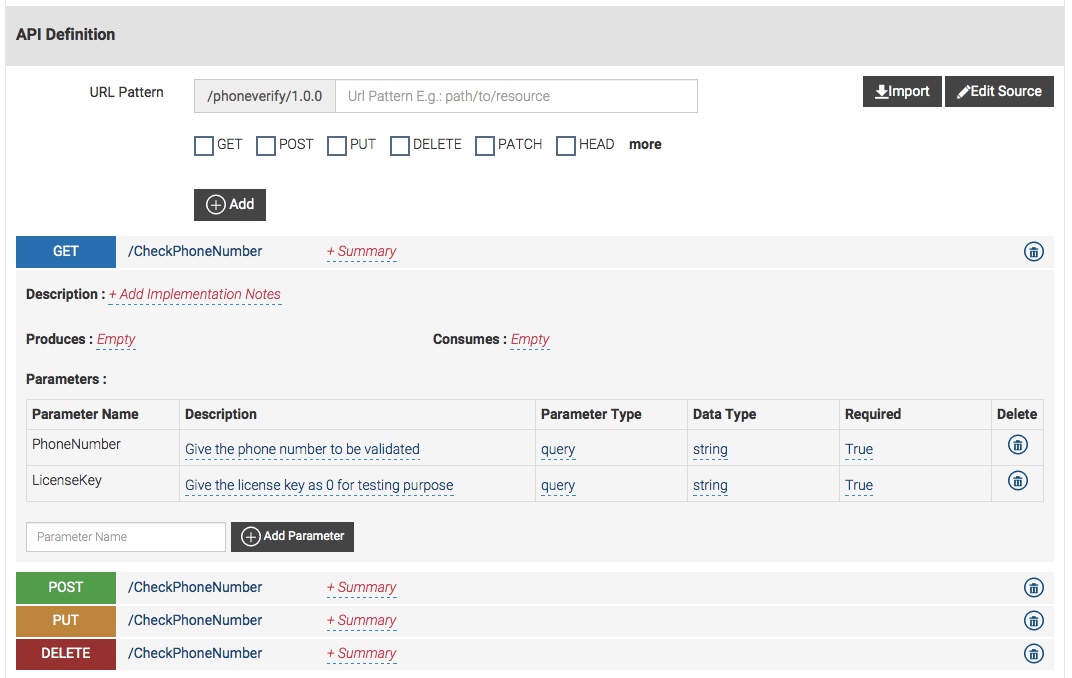
WSO2 API Manager is an open-source platform that helps organizations design, publish, and manage APIs. You can use it to expose APIs to internal and external consumers, implement industry-standard authorization flows, and integrate with existing identity access or key management tools. The platform provides design and runtime governance for the entire lifecycle of APIs, from inception to retirement.
Pros:
- Open-source API management and integration platform
- Highly customizable and extensible
- Strong community support
Cons:
- Requires technical expertise for setup and maintenance
- User interface is less modern compared to competitors
Pricing: Free for non-commercial use. Enterprise subscriptions require a custom quote from the sales team.


14. TIBCO
Best for: Large enterprises that need full lifecycle API management with strong analytics and multi-cloud deployment flexibility.
Key Features:
- Centralized API management with codeless Visual API Modeling
- Best-in-class API security features
- Public cloud, private cloud, or on-premise deployment
- Compatibility with any PaaS
TIBCO Cloud API Management is an end-to-end solution with full lifecycle API management capabilities. You can deploy it on any public or private cloud, or containerized on-premise. The platform offers a codeless environment for Visual API Modeling, which generates OpenAPI and AsyncAPI documents for easy service exploration and testing. This allows you to create APIs without writing a single line of code.
Pros:
- Strong integration and analytics capabilities
- Scalable enterprise solutions
- Good support for multiple data formats and protocols
Cons:
- Steep learning curve for new users
- Pricing can be prohibitive for smaller companies
Pricing: 30-day free trial available. Basic plan starts at $500/month.
15. Amazon API Gateway
Best for: AWS-native organizations that need a serverless, fully managed API gateway with pay-per-call pricing.
Key Features:
- REST, HTTP, and WebSocket API support
- Serverless architecture with automatic scaling
- Native integration with AWS Lambda, DynamoDB, S3, and other AWS services
- Built-in throttling, caching, and authorization
Amazon API Gateway is a fully managed service that makes it easy to create, publish, maintain, monitor, and secure APIs at any scale. It is the top-rated tool on Gartner Peer Insights (4.5/5, 957 reviews, Customers' Choice 2026) and is the most widely deployed API gateway for teams already running workloads on AWS. It handles all the tasks involved in accepting and processing API calls, including traffic management, authorization, access control, monitoring, and API version management.
Pros:
- Deeply integrated with the AWS ecosystem, zero infrastructure to manage
- Pay-per-call pricing keeps costs low for variable workloads
- Supports REST, HTTP, and WebSocket APIs in a single platform
- Strong security with IAM, Cognito, and Lambda authorizers
Cons:
- Tightly coupled to AWS; not suitable for multi-cloud or on-premise deployments
- Can become expensive at very high call volumes
- Limited built-in developer portal compared to full lifecycle platforms
Pricing: Pay-per-call. REST API calls cost $3.50 per million API calls received, plus data transfer charges. HTTP APIs are priced lower. Free tier available.
16. Tyk
Best for: Organizations that need an open-source API gateway with enterprise AI agent governance and MCP support.
Key Features:
- Open-source and enterprise deployment options
- AI gateway capabilities for LLM and agent traffic management
- MCP Server governance for AI agent access control
- Hybrid and multi-cloud deployment
- GraphQL, REST, and gRPC support
Tyk is an open-source API management platform rated 4.7/5 on Gartner Peer Insights (92 reviews). It is one of the first API management platforms to explicitly support MCP (Model Context Protocol) governance, making it a strong choice for organizations building AI agent workflows that require governed API access. The platform supports hybrid and multi-cloud deployments and is highly extensible through its plugin architecture.
Pros:
- Strong open-source community with enterprise support available
- Native AI gateway and MCP governance capabilities
- Flexible deployment across cloud, hybrid, and on-premise environments
Cons:
- Smaller ecosystem compared to MuleSoft or Kong
- Enterprise features require a paid subscription
- Documentation can lag behind new feature releases
Pricing: Open-source tier available. Enterprise pricing requires a quote from the sales team.
17. Gravitee
Best for: Teams managing event-driven APIs and AI agent workflows that require MCP tool execution governance.
Key Features:
- AI Agent Management with MCP tool execution governance
- Event-driven API management with Kafka and MQTT support
- REST, GraphQL, gRPC, and WebSocket API support
- Policy studio for no-code policy configuration
Gravitee is an open-source API management platform rated 4.5/5 on Gartner Peer Insights (74 reviews). It is one of the few platforms that explicitly supports AI Agent Management, including governance of MCP tool execution, making it directly relevant for organizations deploying LLM-powered agents that need to call enterprise APIs. Its event-driven architecture support (Kafka, MQTT) makes it a strong choice for real-time data workflows.
Pros:
- Native AI agent management and MCP governance
- Strong event-driven API support (Kafka, MQTT, WebSocket)
- Open-source with active community and enterprise tier
Cons:
- Smaller market presence than established enterprise vendors
- Advanced features require the enterprise tier
- UI can be less polished than commercial alternatives
Pricing: Open-source tier available. Enterprise pricing requires a quote from the sales team.
18. Axway Amplify
Best for: Large enterprises that need centralized governance across hybrid and multi-cloud API environments.
Key Features:
- Hybrid and multi-cloud API lifecycle management
- Centralized governance across multiple gateways
- Strong enterprise security and compliance controls
- API marketplace for internal and external consumers
Axway Amplify is an enterprise API management platform rated 4.7/5 on Gartner Peer Insights (185 reviews). It is designed for organizations that run APIs across multiple cloud environments and need a single control plane for governance, security, and visibility. The platform supports centralized policy enforcement across heterogeneous gateway environments, making it a strong fit for enterprises managing legacy and modern APIs simultaneously.
Pros:
- Excellent centralized governance across multi-cloud and hybrid deployments
- Strong enterprise security and compliance posture
- High Gartner Peer Insights rating with a large review base
Cons:
- High cost; primarily suited for large enterprise budgets
- Implementation complexity requires dedicated expertise
- Less suitable for teams that need rapid self-service API generation
Pricing: Enterprise pricing; contact Axway sales for a custom quote.
API Management Tools Comparison Table
| Tool | Type/Category | Connectors | API Lifecycle Management | Data Transformation | Deployment | Scalability | Ease of Use | Real-Time | Security/Compliance | AI/MCP Readiness | Gartner Rating | Pricing Model | Best For |
|---|---|---|---|---|---|---|---|---|---|---|---|---|---|
| Integrate.io | ETL/ELT iPaaS + API Gen | 150+ prebuilt | API generation and proxying | Strong (visual + SQL/no-code) | Cloud SaaS + self-hosted | High | Very easy, no-code | Yes (CDC, near real-time) | SOC 2, GDPR, HIPAA | Yes (MCP Server) | N/A | Data teams, mid-market | |
| MuleSoft (Anypoint) | iPaaS + API Mgmt | Very large (Anypoint Exchange) | Full lifecycle | Advanced, reusable templates | Cloud, hybrid, on-prem | Enterprise-grade | Moderate (steep curve) | Yes | Strong enterprise-grade | Partial | N/A | Large enterprises | |
| IBM API Connect | API Mgmt | Strong IBM connectors | Full lifecycle | Limited (API mediation focus) | Cloud, on-prem, hybrid | Enterprise-level | Moderate | Yes | Advanced policy/security | Partial | N/A | Enterprises, regulated industries | |
| Jitterbit | iPaaS + API | 500+ | API mgmt + integration | Low-code mapping | Cloud, hybrid, on-prem | Strong | Easy drag-and-drop | Yes | GDPR, HIPAA | Partial | N/A | Mid-market to enterprise | |
| Azure API Mgmt | API Mgmt | Azure + 3rd party | Full lifecycle | Limited | Azure cloud only | Very high | Moderate | Yes | Strong (AAD, RBAC) | Partial | N/A | Enterprises on Azure | |
| Workato | iPaaS/Automation | 1,000+ | Limited (automation focus) | Low-code recipes | Cloud SaaS | High | Very easy | Near real-time triggers | SOC 2, HIPAA | Partial | N/A | Business users and IT | |
| SAP Integration Suite | iPaaS + API Mgmt | SAP + non-SAP | Full lifecycle | Prebuilt SAP mappings | Cloud, hybrid | Enterprise | Moderate | Yes | Strong enterprise-grade | Partial | N/A | SAP customers | |
| Postman | API Dev/Test | REST, GraphQL, SOAP | Design and test only | None (testing only) | Cloud + desktop | Scales with teams | Very easy | N/A | OAuth, secure collaboration | No | N/A | Developers, QA | |
| Apigee (Google) | API Mgmt | Wide, GCP focus | Full lifecycle | Limited | Cloud (GCP), hybrid | Very high | Moderate | Yes | Strong enterprise-grade | Partial | N/A | Enterprises on GCP | |
| SwaggerHub | API Design | OpenAPI, AsyncAPI | Design and collaboration only | None | Cloud and on-prem | Scales with teams | Easy | N/A | Role-based access | No | N/A | Dev teams | |
| Dell Boomi | iPaaS + API Mgmt | 1,500+ | Full lifecycle | Low-code mapping | Cloud, hybrid | High | User-friendly | Yes | HIPAA, GDPR | Partial | N/A | Mid-to-large enterprises | |
| Kong Konnect | API Gateway | Plugins and extensions | Full lifecycle | Limited | Cloud, hybrid, on-prem | Very high | Developer-oriented | Yes | Strong, zero-trust | Partial | N/A | Cloud-native orgs | |
| WSO2 | Open-source API + ESB | Community connectors | Full lifecycle | Moderate | Cloud, on-prem | High | Moderate | Yes | Strong, customizable | Partial | N/A | Dev and IT teams | |
| TIBCO | iPaaS/ESB | Large catalog | Full lifecycle | Strong | Cloud, on-prem, hybrid | Enterprise-grade | Moderate | Yes | Strong compliance | Partial | N/A | Large enterprises | |
| Amazon API Gateway | API Gateway | AWS-native | Full lifecycle (AWS) | Limited | AWS cloud only | Very high | Moderate | Yes | IAM, Cognito, Lambda auth | Partial | 4.5/5 (957 reviews) | AWS-native orgs | |
| Tyk | API Gateway + Mgmt | Open-source plugins | Full lifecycle | Limited | Cloud, hybrid, on-prem | High | Moderate | Yes | Strong, customizable | Yes (MCP native) | 4.7/5 (92 reviews) | AI-forward orgs | |
| Gravitee | API Mgmt + Event | Open-source plugins | Full lifecycle | Limited | Cloud, hybrid, on-prem | High | Moderate | Yes (Kafka, MQTT) | Strong | Yes (MCP native) | 4.5/5 (74 reviews) | Event-driven + AI workflows | |
| Axway Amplify | Enterprise API Mgmt | Multi-gateway | Full lifecycle | Limited | Cloud, hybrid, on-prem | Enterprise-grade | Moderate | Yes | Strong enterprise-grade | Partial | 4.7/5 (185 reviews) | Multi-cloud enterprise |
API Management Tools for AI and Agentic Workflows
AI agents need governed API access, and in 2026, that requirement is reshaping the API management category.
When an AI assistant or autonomous agent needs to call an enterprise API, it does not authenticate the way a human developer does. It needs a governed access layer that controls what the agent can call, how often, with what permissions, and with full audit logging. Without this, AI agents become a security and compliance liability.
What is MCP and why does it matter for API management?
The Model Context Protocol (MCP) is an open standard that enables AI assistants (such as Claude, Cursor, and other LLM-based tools) to interact with external systems, including data pipelines and APIs, using natural language. MCP defines how an AI client discovers available tools, calls them, and receives structured responses. For API management, MCP means that AI agents can now be first-class API consumers, and your API management layer needs to govern that access just as it governs human developers.
Gartner's 2026 market definition for API management explicitly includes "providing context, tools, and resources to generative and agentic AI programs" as a core use case. This is not a future trend; it is a current evaluation criterion.
Which tools on this list support AI agent workflows natively?
- Integrate.io: The Integrate.io MCP Server enables AI assistants to inspect, build, edit, validate, and execute data pipelines using natural language, extending governed AI-ready data workflows directly into tools like Claude and Cursor.
- Tyk: Includes native AI gateway capabilities and MCP Server governance for controlling AI agent access to enterprise APIs.
- Gravitee: Provides AI Agent Management with explicit MCP tool execution governance, plus event-driven API support via Kafka and MQTT.
- WSO2: Has begun incorporating AI gateway capabilities in its enterprise tier, with MCP compatibility on its roadmap.
- Kong Konnect: Plugin architecture supports custom AI gateway policies, though native MCP support requires additional configuration.
If your organization is building AI agent workflows, prioritize platforms with native MCP support over those that require custom plugin development to achieve the same result.
Effectively Manage Your APIs With Integrate.io
Managing your APIs does not have to be complicated. Integrate.io generates, manages, secures, and monitors your APIs in less than five minutes, with no backend code required. Schedule a personalized demo to see it in action.
API Management FAQs
Why is API management important?
API management is crucial for businesses to ensure their APIs are secure, scalable, and governed while providing a seamless developer experience and enabling integration between systems. Without it, APIs become inconsistent, insecure, and difficult to monitor at scale.
What is an example of API management?
One example of API management is using an API gateway as a mediator between API consumers and backend services. For instance, an e-commerce website connecting to multiple payment providers can route all payment requests through a single API gateway that validates each request, enforces security policies, applies rate limiting, and provides caching to improve performance.
What is the difference between an API gateway and an API management platform?
An API gateway is a single component that handles runtime traffic: authentication, routing, throttling, and security enforcement. An API management platform is a broader suite that includes the gateway plus a developer portal, lifecycle governance, analytics, and policy management. You need a gateway to run APIs in production; you need a full management platform to govern them at scale.
What are the mandatory features of an API management tool?
The four mandatory features, as defined by Gartner for this category, are: (1) an API gateway for runtime enforcement, (2) a developer portal for self-service discovery and subscription, (3) policy management for rate limiting, authentication, and mediation, and (4) lifecycle governance for versioning, access control, and retirement workflows.
Which API management tools support AI agent workflows in 2026?
Tyk and Gravitee offer the most mature native MCP governance. Integrate.io's MCP Server enables AI assistants to build and execute data pipelines via natural language. Kong Konnect supports AI gateway policies through its plugin architecture. WSO2 has MCP compatibility in development for its enterprise tier.
What is MCP and why does it matter for API management?
MCP (Model Context Protocol) is an open standard that allows AI assistants to discover and call external tools, including APIs and data pipelines, using natural language. For API management, MCP means AI agents are now API consumers that need the same governed access, rate limiting, and audit logging as human developers. Platforms that support MCP natively can enforce those controls without custom development.
How do you choose an API management platform?
Follow this four-step framework when choosing an API management platform: (1) Define your use case, gateway-only runtime control vs. full lifecycle management vs. data pipeline API generation. (2) Map your requirements to the four mandatory features: gateway, developer portal, policy management, and lifecycle governance. (3) Assess AI and MCP readiness if your organization is building or planning agentic workflows. (4) Evaluate pricing model fit: usage-based (Amazon API Gateway, Apigee) vs. fixed-fee unlimited (Integrate.io) vs. enterprise subscription (MuleSoft, IBM, SAP). For a deeper analysis, see our build vs. buy analysis for API tools.
How much do API management tools cost?
Costs vary widely by tier and model. Amazon API Gateway charges $3.50 per million API calls. Postman's Basic plan starts at $12 per user/month. SwaggerHub's Team plan starts at $79/month. Integrate.io starts at $1,999/month with fixed-fee unlimited usage. IBM API Connect starts at $83/month on AWS SaaS or $6,504/month on IBM Cloud. SAP Integration Suite starts at $4,150 per tenant/month. MuleSoft, Workato, Jitterbit, Axway, Tyk, and Gravitee enterprise tiers require direct quotes.